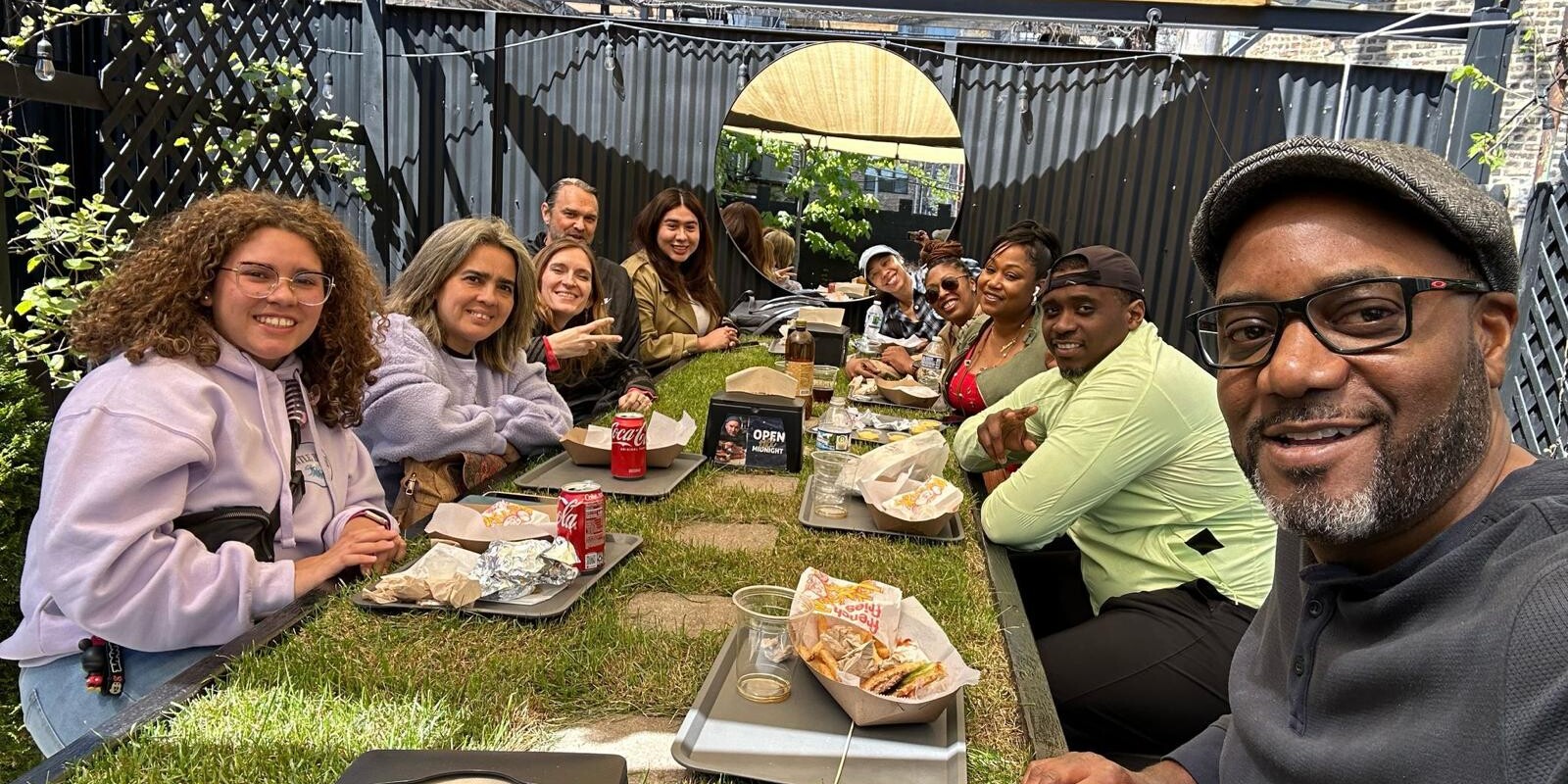

On March 20, 2025, nineteen leaders walked into the 2025 Chicago Peace Fellows cohort as strangers. They came from different neighborhoods across Chicago, carrying diverse callings, responsibilities, and ways of showing up for their communities. By November 20, those same nineteen leaders would stand together as a community of practice marked by trust, shared language, and collective responsibility.
What unfolded across those 33 Thursdays was more than a traditional classroom experience, it was learning rooted in building relationships with other practitioners. Through participating in the 2025 Chicago Peace Fellows program, the Fellows visited sites that drive community-centered change, learned an asset based framework for understanding community development, and practiced thinking about the issues their communities face through a system-based lens.
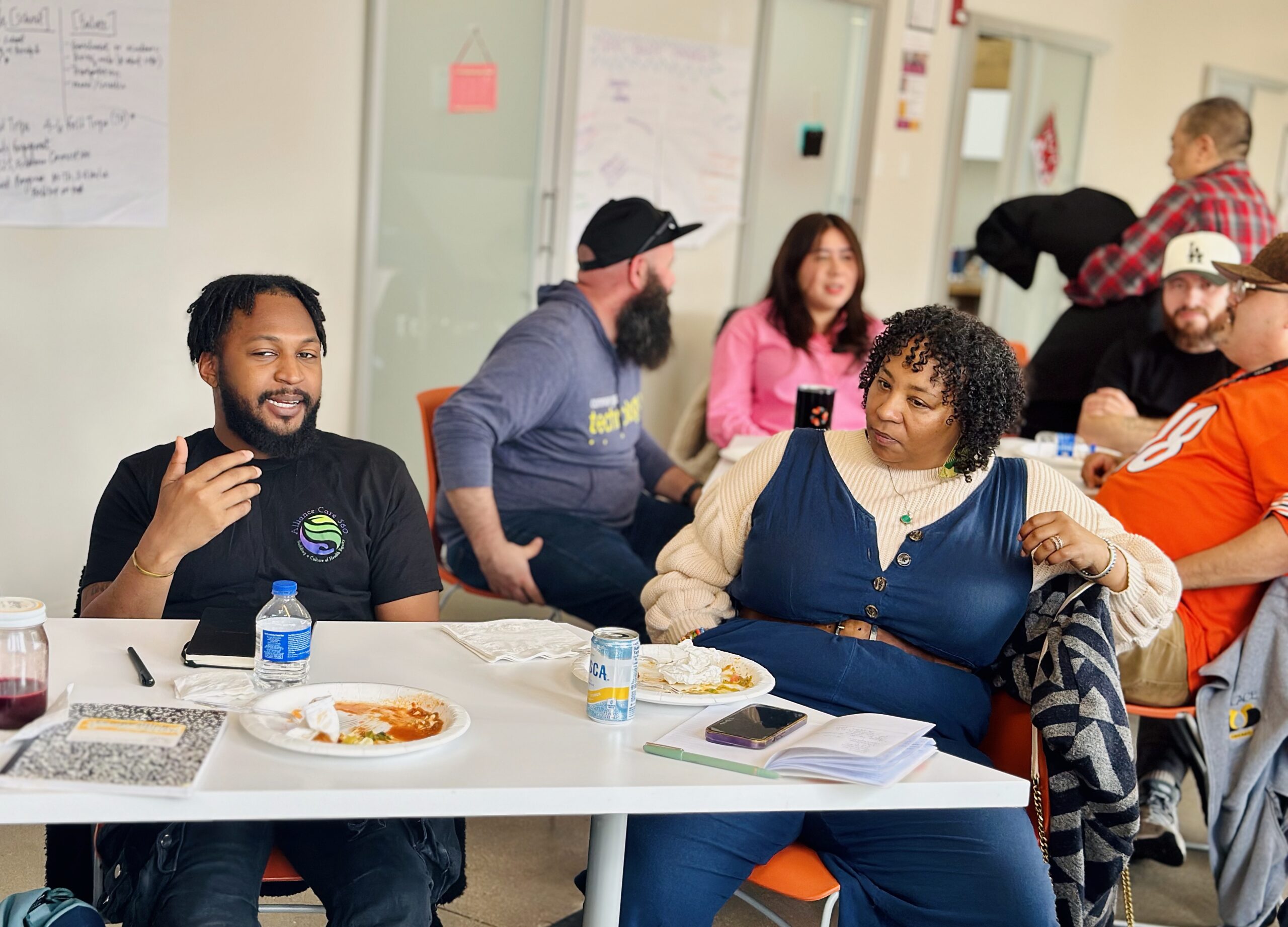 Learning happened in motion across our city, at sites rich with stories, where community-centered leadership, deep collaboration, and peace-building are ingrained in their culture and daily work. The Fellows met on a weekly basis and were hosted by community partners including: Chicago Cultural Center, Imagine Englewood IF, Enlace Chicago, Stone Temple Baptist Church, Breakthrough Urban Ministries, Self-Help Credit Union, and the Chicago Bee Library. Each gathering layered understanding how leadership shows up in community, how systems shape opportunity, and how stories determine who is seen and valued.
Early on, the fellowship introduced a grounding posture through Asset-Based Community Development. Instead of starting with what communities lack, Fellows practiced beginning with what is already present: skills, relationships, creativity, and resilience. Abundance became not just a concept, but a way of seeing, inviting, and working with neighbors and partners.

As the weeks unfolded, systems thinking helped the group widen their lens, examining how history, policy, power, and identity intersect with daily realities. Fellows learned the model of Appreciative Inquiry, which slowed the pace just enough to ask better questions about what could be, followed by collective design of a desired future state. Workshops on narrative change pressed the group to tell fuller, more authentic stories about their communities and about themselves.
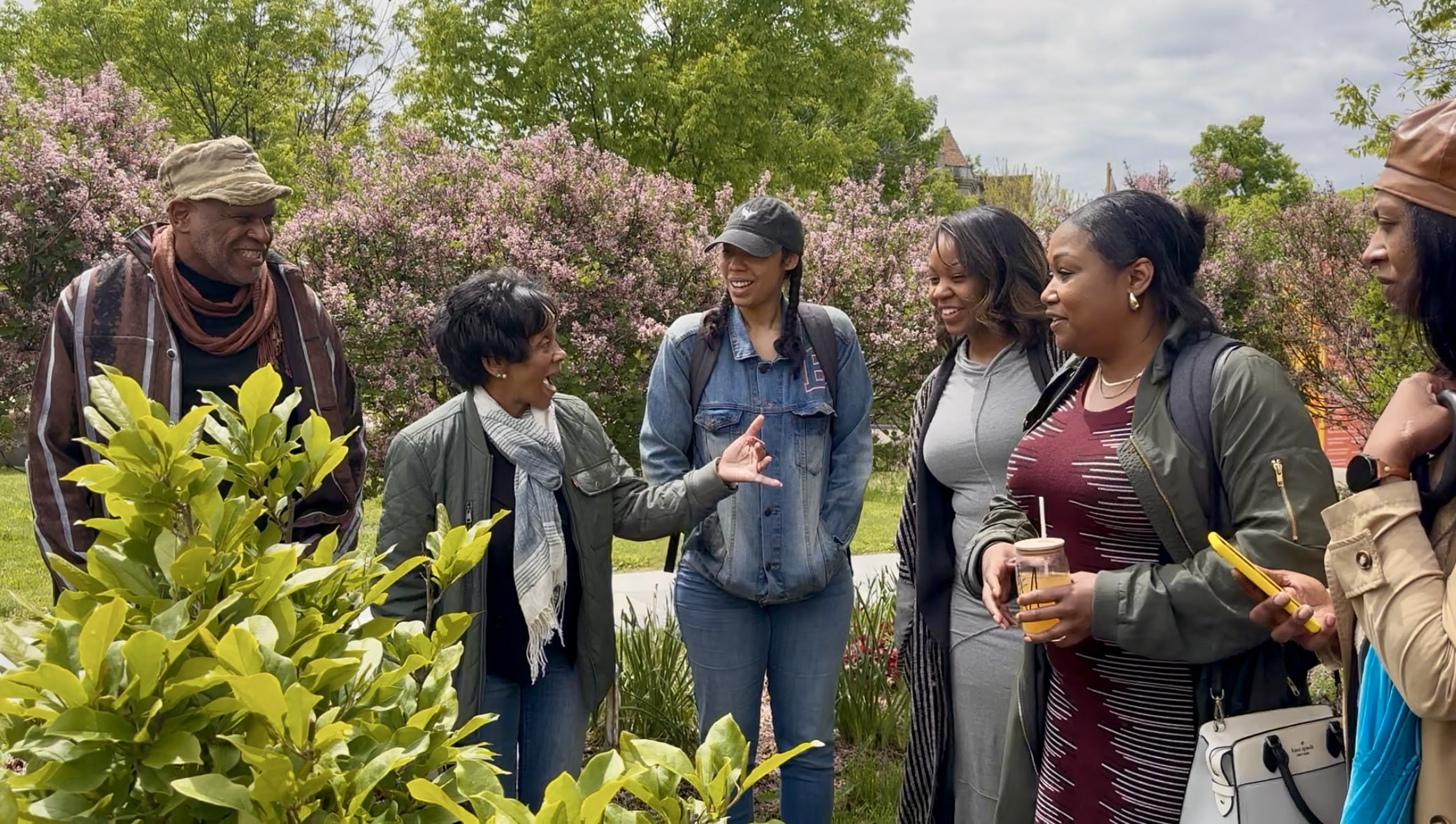
Within that shared practice, individual gifts surfaced and strengthened the collective. Christina Rice reminded the group that narrative is power that how stories are told determines who is seen and valued. Wanakee Trask modeled intergenerational leadership grounded in respect and presence, showing how wisdom moves when space is made for relationships. Mercedes Pickett brought clarity to conversations about health, data, and healing, grounding vision in lived reality. Guillermo Niño demonstrated that peace is sustained not through spectacle, but through consistency, showing up again and again with care and intention. Through it all, one truth anchored the year spoken plainly and practiced daily. As LoLita Canady named it: “Our communities are not empty but abundant.”
Director Michael Henderson reflected on that early turning point:
On March 20, no one knew that 19 strangers would become family.
That sense of family became unmistakable as the fellowship moved from reflection into shared action. Over the summer, the cohort co-designed three collaborative peacebuilding projects: The Dinner Party, The Moving Mosaic, and Reflect, Relax, Retreat. These projects were expressions of everything the group had been practicing: collaboration over competition, shared ownership, and a commitment to honoring people as much as outcomes.

“I was profoundly impressed,” reflects CPF Facilitator and ABCD Institute Steward April Doner, “by the years of refined, robust practice each of the Fellows brought to this experience, by the generous ways in which they shared their knowledge, connections and time with one another, their flexibility and openness to learning new tools and techniques, and perhaps most of all, by the powerful spirit of love and faith that move each of their unique work.”
What the work revealed was profound and straightforward: sustainability grows when people are given space to be whole and when restoration, creativity, and connection are treated as essential to the work itself rather than distractions from it.

By the time November arrived, something had shifted. Leadership was no longer held tightly; it was held together. Trust didn’t need to be announced; it lived in how decisions were made, how ideas were shared, and how people stood together.
Looking back on the journey, Michael Henderson named what the year had become:
I came in to help connect people, and I left feeling deeply connected. It never felt like a cohort, it felt like family.
That is the story of 33 Thursdays. Not a checklist of workshops. Not a timeline of sessions completed. But nineteen leaders who learned week by week how to move together with intention, humility, and care. By November 20, they didn’t just know each other’s work. They knew each other.